
The fascinating journey of casinos From ancient games to modern Pinup casino innovations
The Origins of Gambling: A Historical Perspective
The origins of gambling can be traced back to ancient civilizations, where dice games and betting on various contests were commonplace. Archaeological findings suggest that dice dating back to around 3000 BC were used in ancient Mesopotamia. These games, often simple in nature, provided a means of entertainment and social interaction among people. The thrill of chance has always intrigued humanity, making gambling a deeply embedded cultural practice across different societies. Today, resources like https://pinup-bet-nigeria.com.ng/responsible-betting/ highlight the importance of maintaining a balanced approach to these activities.
In ancient Rome, betting took on a more organized form, especially during gladiatorial games and chariot races. Citizens placed wagers, and the outcomes of these events often dictated not just fortunes, but social standings as well. The Roman Empire’s emphasis on games of chance laid the groundwork for more structured betting systems, evolving into the casinos we recognize today. This era showcased how gambling was not merely a pastime but a significant cultural phenomenon that shaped social behaviors.
The Middle Ages saw the continuation of these traditions, with many European countries establishing betting houses and early forms of lotteries. By the time the Renaissance period emerged, gambling had flourished and was integral to the social fabric, especially within the aristocracy. Card games and other betting activities became popular, leading to the establishment of the first casinos in Italy during the 17th century. These early establishments offered a more luxurious environment for gambling, signaling the transition from informal betting to organized casinos.
The Rise of Modern Casinos: The 19th Century and Beyond
The 19th century marked a significant turning point in the evolution of casinos as we know them today. The establishment of casinos in cities like Monte Carlo revolutionized the gambling landscape, attracting the elite and wealthy from around the world. These luxurious venues offered not only games but also entertainment, dining, and social gatherings, thus creating an all-encompassing experience for patrons. The rise of the casino industry during this period set the standard for future developments.
In the United States, the Gold Rush and the subsequent migration westward led to the growth of gambling establishments in towns like San Francisco and New Orleans. These venues catered to miners and travelers, creating a bustling gambling culture. By the late 19th century, Las Vegas emerged as a gambling hotspot, capitalizing on its strategic location and the influx of tourists. The concept of the resort casino began to take shape, combining leisure with gambling.
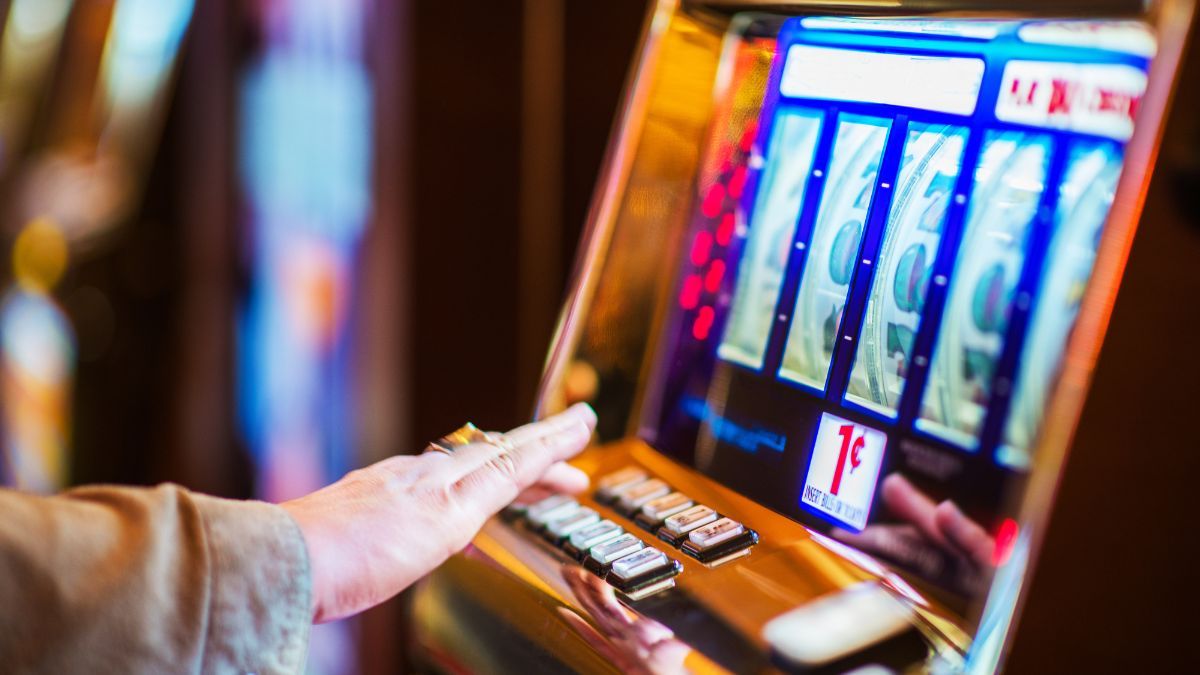
The proliferation of casinos continued into the 20th century with the introduction of legal gambling regulations in various states. This marked a shift from underground operations to legitimate businesses, leading to the establishment of iconic destinations such as Las Vegas and Atlantic City. The industry’s growth was further accelerated by technological innovations, which introduced slot machines and gaming tables that were more user-friendly. This evolution made gambling more accessible to the masses, transforming it into a multi-billion dollar industry.
Technological Innovations and Their Impact on the Casino Experience
Technological advancements have played a pivotal role in shaping the modern casino experience. The introduction of online gambling platforms brought about a seismic shift in how people engage with games of chance. With the internet, players could access a plethora of games from the comfort of their homes, which opened the floodgates for global participation in gambling activities. This accessibility changed the demographics of gamblers, attracting younger audiences who preferred digital engagement.
Furthermore, live dealer games have emerged as a popular innovation, bridging the gap between online and traditional casino experiences. These games utilize high-definition streaming technology to connect players with real dealers in real-time, simulating the ambiance of a physical casino. This hybrid approach has made online gambling more interactive and immersive, catering to the desires of players who seek authentic experiences.
In addition, advancements in mobile technology have allowed for the proliferation of gambling apps. These applications provide seamless access to games, promotions, and social features, making gambling a part of everyday life for many. With the rise of cryptocurrency, casinos are also beginning to accept digital currencies, which adds another layer of convenience and security for players. This intersection of technology and gambling continues to evolve, influencing future trends in the industry.
The Future of Gambling: Trends and Predictions
The future of gambling appears poised for continued innovation, particularly with the rise of artificial intelligence and machine learning. These technologies are being integrated into gaming platforms to personalize user experiences, offering tailored recommendations and optimizing gameplay. Enhanced data analytics can predict player behavior, enabling casinos to create more engaging environments and promotional strategies that resonate with their audience.
Additionally, the increasing acceptance of virtual reality (VR) and augmented reality (AR) technologies is set to redefine the casino experience. With immersive gaming environments, players can engage with games in ways previously thought impossible. Imagine walking through a virtual casino, interacting with other players, and participating in games as if in a real-world setting. This potential transformation could attract a new generation of gamblers, blending gaming, entertainment, and social interaction seamlessly.
Regulatory changes will also play a critical role in the future of the gambling industry. As more jurisdictions recognize the economic benefits of legalized gambling, we can expect a broader acceptance of casinos and online gambling platforms. This shift could lead to increased competition, greater emphasis on responsible gaming practices, and innovations aimed at ensuring player safety. As the landscape evolves, stakeholders will need to adapt to these changes to maintain a healthy, dynamic industry.

Pin-Up Bet Nigeria: Pioneering Responsible Gambling Practices
Pin-Up Bet Nigeria represents a modern evolution in the gambling landscape, focusing on creating a responsible gaming environment. With a commitment to prioritizing player safety, the platform provides users with essential resources and guidelines to maintain a balanced approach to betting. This dedication reflects an awareness of the potential challenges associated with gambling and emphasizes the importance of responsible habits. By offering the Pin Up Bookmaker Nigeria experience, they ensure enjoyable yet responsible gaming.
The platform not only offers a wide array of betting options but also equips players with tips for recognizing problematic behaviors and signs of gambling addiction. By fostering a culture of awareness and support, Pin-Up Bet Nigeria aims to ensure that gambling remains a form of entertainment rather than a financial strategy. This innovative approach resonates with contemporary players who value responsible gaming.
Furthermore, as the gambling industry continues to evolve, platforms like Pin-Up Bet Nigeria are setting a precedent for how online casinos can engage with users responsibly. By promoting safe betting practices and providing support resources, they contribute to creating a healthier relationship between players and the world of sports betting. This commitment to responsible gambling will be essential in shaping the future of the industry.